



Guide to HVAC Dampers: Types, Uses & Performance Standards

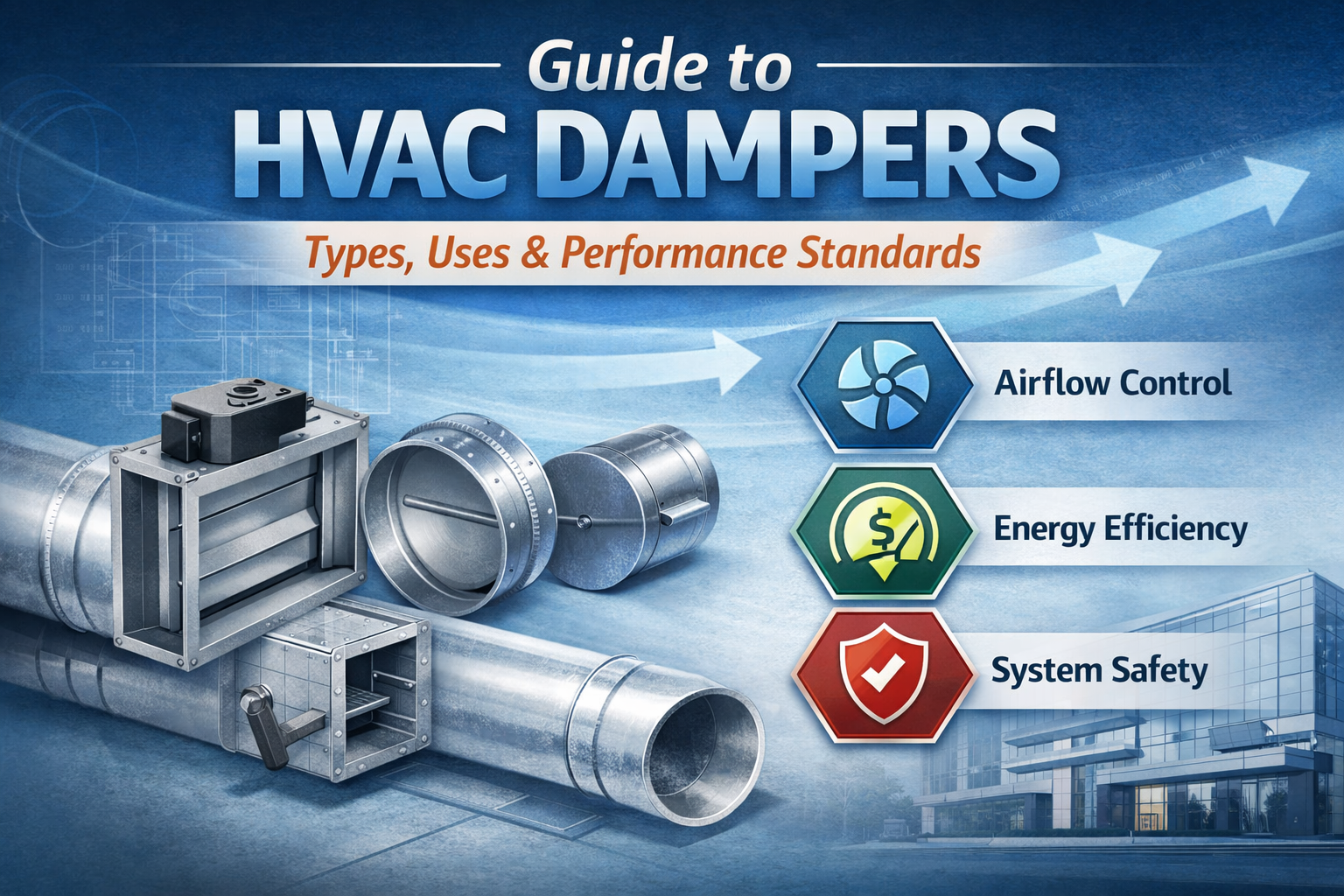
If you work on HVAC projects, you already know that airflow control is critical. A system may look perfect on paper, but without the right HVAC dampers, diffusers, and grilles, performance drops fast. Uneven cooling, noise, and failed inspections are common warning signs.
Many contractors face expensive rework because they ignore performance standards or buy uncertified products. That mistake affects safety, compliance, and long term efficiency.
In this blog, you will understand types of HVAC dampers, required standards, and where to buy the best fire dampers, ceiling diffusers, air registers, and security grilles with confidence.
Types of HVAC Dampers You Must Know
Volume Control Dampers
These regulate airflow inside ducts. They help balance air distribution across rooms and improve HVAC system efficiency.
Fire Dampers
Installed in fire-rated walls and floors, these close automatically when high temperatures occur. If you are looking for the best place to buy fire dampers, it is important to select UL certified products.
Smoke Dampers
These prevent the spreading of smoke through the duct work. They are connected to fire alarm systems.
Combination Smoke and Fire Dampers
They are used for dual protection and are commonly found in hospitals, malls, and buildings.
The choice of the right damper facilitates compliance with regulations and provides safety for people in buildings.
HVAC Performance Standards That Matter
Many Customers are price-oriented. Intelligent customers look for certifications.
Important standards include:
- UL 555 for fire dampers
- UL 555S for smoke dampers
- Leakage class ratings
- Pressure drop performance data
- Corrosion resistance testing
Certified products reduce inspection failures and improve approval timelines. They also maintain airflow accuracy and system reliability.
Ceiling Diffusers, Air Registers & Security Grilles
Air distribution components define comfort and visible finishing quality.
- A high quality ceiling diffuser distributes air evenly and reduces drafts. Look for aerodynamic design, tested airflow data, and powder coated finish.
- Durable aluminum air registers with adjustable blades improve airflow control and aesthetics.
- Security grilles with provision of ventilation. These can be used in industrial areas or sites, substations, or rooms.
Select those that offer engineering support, bespoke sizing, and accreditation documentation.
Why Cheap HVAC Products Fail
Components of low quality generate long-term risks:
- Corrosion: Reduces lifespan of
- Poor sealing causes air leakage
- Improper sizing causes pressure imbalance
- Lack of testing leads to inspection rejection
Investing in certified products for HVAC airflow control can help you avoid such problems while maintaining your project’s reputation.
Where to Buy HVAC Dampers
If you’re looking for the best place to buy fire dampers, ceiling diffusers, air registers, and security grilles, it is best to choose reputable and compliant manufacturers.
BETEC CAD provides:
- Certified Fire and Smoke Damper
- The precision engineered volume control dampers
- High Performance Ceiling Diffusers
- Durable air registers
- Industrial grade security grilles
Their products meet the criteria set by the respective industries, thereby fulfilling the criteria for commercial and industrial setups.
For technical details and further specifications about products, kindly visit https://beteccad.com
Benefits of Selecting Certified HVAC Components
- Strong fire safety compliance
- Better airflow balance
- Reduced Maintenance Costs
- Faster approvals of projects
- Long term system durability
FAQs
1. What is the difference between fire and smoke dampers?
A. A fire damper closes when heat reaches a set temperature. A smoke damper activates through sensors to stop smoke movement. Combination dampers handle both functions.
2. Are fire dampers mandatory in commercial buildings?
A. Yes. Building codes require fire dampers where ducts pass through fire-rated barriers to maintain compartmentalization and life safety.
3. How do I choose the right ceiling diffuser?
A. Select based on airflow capacity, room size, ceiling height, and throw pattern. Always review manufacturer performance data.
4. Where can I buy certified HVAC dampers?
A. Look for manufacturers that can provide UL certification, compliance documentation, and engineering support. Good companies, such as BETEC CAD, exist.
Conclusion
The right HVAC dampers and air distribution products provide safety, compliance, and high levels of efficiency. Do not compromise on certification or quality. Smart selection today prevents expensive failures tomorrow.
Explore certified HVAC solutions at BETEC CAD, shop, and follow us on Instagram for expert insights and project updates.