



Guide to Variable Air Volume (VAV) Terminals for Modern HVAC Systems

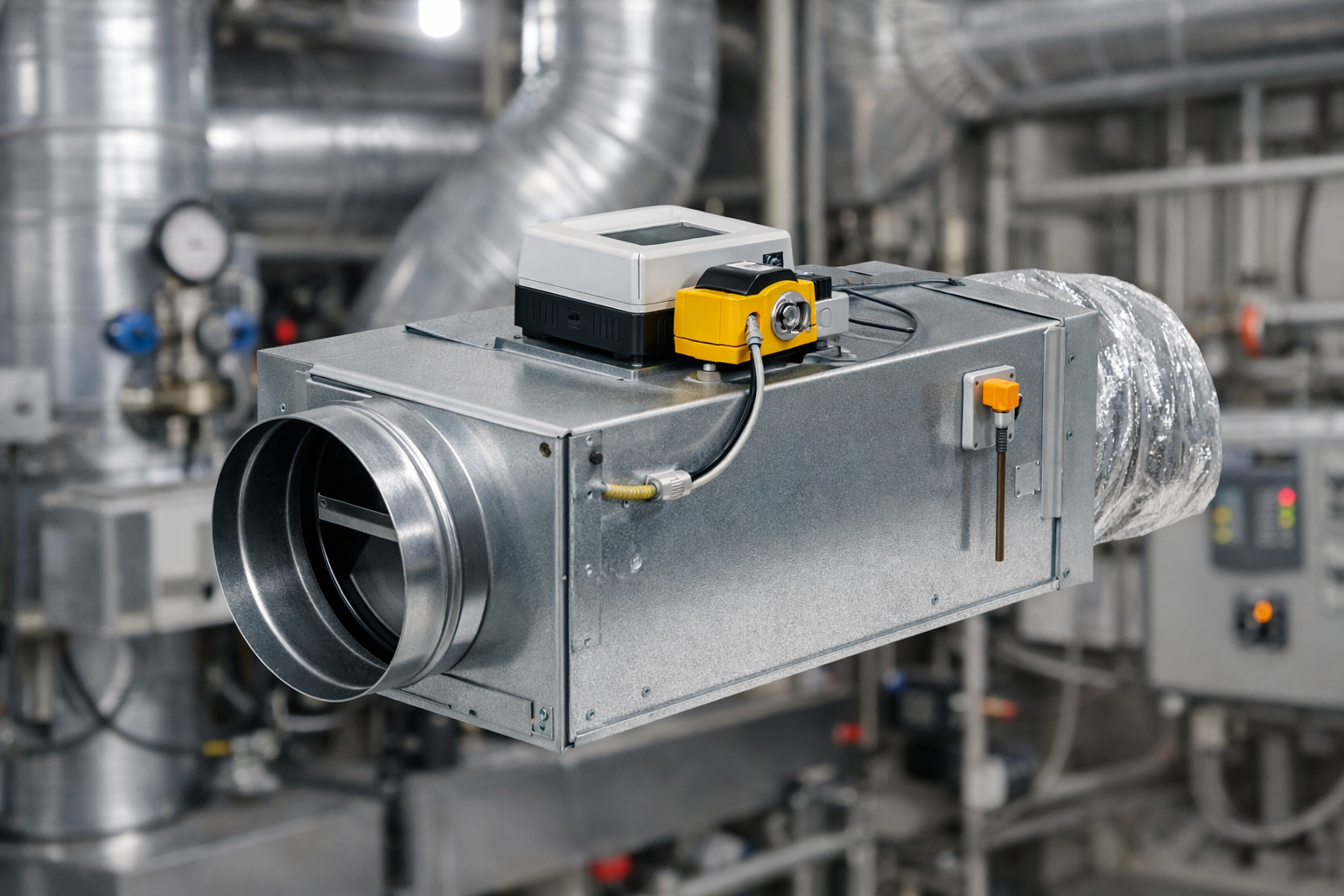
Modern buildings deal with high energy costs and uneven room comfort. Variable Air Volume (VAV) terminals fix this by adjusting air flow to match real needs, cutting waste in HVAC systems. Fixed air systems waste energy cooling empty rooms while busy areas stay too warm, VAV technology brings smart control that saves money.
Beteccad’s strong VAV terminals cut energy use by 40-60%, run quietly, and work well in tough places like data centers and oil sites. This guide covers types, key features, and easy installation tips, learn pressure-independent VAV benefits, fan-powered options, and why Beteccad stands out.
What Powers VAV Terminals in HVAC?
VAV terminals control cool or warm air to each room using dampers and sensors that react to people in the space. Galvanized metal boxes with rubber seals keep air leaks under 2% at normal pressure; brass parts make them move smoothly and stay quiet. They handle strong duct air pressure, great for high-velocity HVAC systems in hospitals and offices.
Beteccad’s VAV-B-10 series uses thin steel blades and sound-absorbing liners to keep noise low. They manage fast air speeds up to 4000 fpm, creating energy-efficient zoning without cooling empty rooms.
Pressure-Independent vs. Dependent VAV Terminals: Which Wins?
Pressure-independent VAV terminals use sensors to keep steady air flow even when duct pressure changes, perfect for busy commercial HVAC setups. Beteccad’s VAV-GB-21/22 models deliver up to 2800 CFM exactly right.
Pressure-dependent types connect dampers directly to thermostats but struggle when pressure shifts, good only for steady ducts. Choose independent rooms with changing people count—they keep even temperatures, save 30% on fan power, and stop hot or cold spots.
| Type | Main Benefit | Beteccad Model | Energy Savings |
| Independent | Steady flow control | VAV-B-10 Series | 40-60% |
| Dependent | Low cost, simple | Bypass AHRI types | 20-40% |
Beteccad Innovations for Fan-Powered VAVs
Fan-powered VAV terminals solve low air problems in edge rooms by mixing fresh air with recirculated air from built-in fans. Beteccad’s CAV B 50F keeps steady air volume while adjusting temperature, great for outside walls.
Stainless steel versions handle harsh marine and oil & gas jobs, with special blades that cut air resistance. Smart electronic controls give exact air adjustments, saving money in data centers and train stations.
Installation Secrets for Peak VAV Performance
Mount above ceilings with one power connection for quick setup; set minimum and maximum air flows using thermostats. Add Betec dampers for tight seals that hold at 350°F. Balance air ducts first—experts see 50% better efficiency in modern HVAC retrofits.
FAQs
1. What differs between pressure-independent and dependent VAV terminals?
A. Independent types use sensors for steady air flow despite pressure changes; dependent types link to thermostats and can lose balance. Beteccad independent works best for changing room use.
2. Do VAV terminals save energy in commercial buildings?
A. Yes, they cut fan energy 40-60% by adjusting air volume; Beteccad’s tight seals add extra savings in busy areas.
3. How do Beteccad VAVs handle extreme industries like oil & gas?
A. Stainless steel with rubber seals work from -20°C to 250°C, airtight to 10 in. wg, built for oil rigs and plants.
4. Can fan-powered VAVs fix underfloor heating gaps?
A. Yes; they reuse room air for heating without wasting fresh air, keeping edge areas comfortable in changing weather.
Conclusion
This guide shows VAV terminal basics and how Beteccad excellence delivers low leakage dampers, smooth airflow modulation, and real energy savings zoning for modern HVAC systems. From duct static pressure control to quiet acoustic liner HVAC, these tools boost AHRI certified VAV results in offices, hospitals, and more.
Ready for better airflow regulation? Visit beteccad.com to get quality VAV solutions, follow us on Instagram for tips. Upgrade your HVAC systems today!