



Top Industries Using HVAC Systems: Where Efficiency Meets Safety

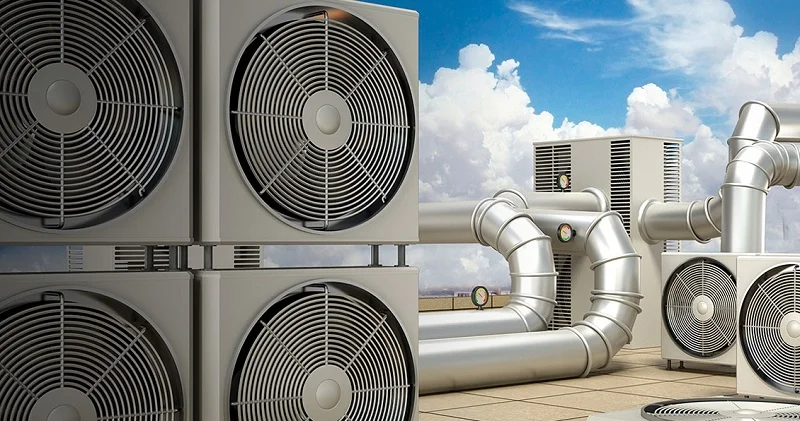
When we look at modern infrastructure, one system quietly protects people every day, its HVAC (Heating, Ventilation and Air Conditioning). It manages temperature, removes pollutants, and keeps indoor environments safe. While we often associate HVAC with homes and offices, the technology is the backbone of several high-risk and mission-critical industries.
In this blog, let’s explore the top industries utilizing HVAC systems, tunnels, airports, hospitals, marine environments, and metro systems. You will also learn how HVAC protects air quality, improves energy efficiency, and supports emergency response.
Why HVAC Matters in High-Demand Industries
In closed or high-traffic environments, air quality affects safety, productivity, and well-being. Without HVAC, contaminants can build rapidly, temperature may fluctuate, and equipment can fail. Industries that operate 24×7 need controlled climates and HVAC is the answer.
1. HVAC in Tunnels: Critical for Smoke Control & Air Safety
Tunnels, whether for roadways or railways, are enclosed spaces with limited natural airflow. HVAC systems here do more than cooling, they remove vehicle emissions, manage humidity and ensure safe oxygen levels.
Key HVAC Applications in Tunnels
- Jet fans to extract CO, NOx, and fumes.
- Ventilation for emergency smoke extraction during fires.
- Airflow management to maintain visibility and breathing comfort.
Case Insight: In long road tunnels like the Atal Tunnel, engineering focused on ventilation redundancy. Systems automatically increase airflow when emission sensors detect spikes, a life-critical function.
Common Challenge: Temperature rises rapidly due to continuous traffic. HVAC must operate efficiently across varying load conditions.
2. HVAC in Airports: Managing Passenger & Cargo Environments
Airports handle thousands of travellers per hour. Temperature swings caused by large doorways, tarmac heat, and packed terminals can make comfort management difficult.
How Airports Use HVAC Systems
- Passenger boarding areas: controlled temperature & humidity.
- Baggage and cargo storage: moisture-sensitive goods protection.
- Air Traffic Control towers: stable climate for sensitive electronics.
- Pre-conditioned air supply for parked aircraft.
Energy Efficiency Win: Airports adopting smart HVAC have cut energy costs by up to 20–30%, using variable-speed drives, economizers, and heat recovery units.
Real Example: Dubai International Airport optimized chillers to adjust load dynamically, saving millions in annual electricity consumption.
3. HVAC in Hospitals: Infection Control Starts with Airflow
Hospitals demand precision. HVAC systems here are not just for comfort, they maintain sterile airflow, regulate pressure in isolation rooms, and minimize bacteria spread.
HVAC Applications in Healthcare
- HEPA filtration for ICUs and operating theatres.
- Negative pressure systems for infectious disease wards.
- Temperature and humidity control for medical storage.
Stat to Know: Controlled ventilation can reduce airborne infection risk by up to 80% in critical care zones.
Case Snapshot: During the COVID-19 peak, many hospitals upgraded air handling systems to increase fresh-air intake and filtration, proving the direct life-saving role of HVAC.
4. HVAC in Marine & Offshore: Battling Heat, Salt & Moisture
Marine environments are harsh, high humidity, saline corrosion, and constant vibration. Ships, offshore rigs and naval platforms depend on HVAC for safety and crew comfort.
Key Use-Areas
- Engine rooms: heat extraction to prevent failure.
- Living quarters and cabins: controlled ventilation for long-voyage comfort.
- Storage of perishable goods and electronics.
Challenge: Salt corrosion. Marine HVAC must use special coatings, filters, and anti-corrosive materials to survive long-term.
5. Metro Systems: Clean Air for Millions of Daily Commuters
Metro stations and trains run in dense underground networks where heat, dust and human activity increase thermal load.
Why HVAC is Crucial in Metro Rail
- Regulates temperature during peak travel times.
- Removes dust and PM particles from tunnels and platforms.
- Smoke control for evacuation during emergencies.
Success Story: Delhi Metro’s HVAC upgrade reduced energy consumption per passenger-KM, marking a step toward sustainable urban transportation.
Emerging HVAC Trends Shaping the Future
| Trend | Why It Matters |
| AI-based automated airflow control | Cuts energy waste + improves indoor health |
| Green refrigerants (R1234yf etc.) | Reduces global warming impact |
| Heat-recovery HVAC | Reuses waste heat, improving sustainability |
| Remote IoT monitoring | Enables predictive maintenance |
Choosing the Right HVAC System
- Consider ventilation load + occupancy patterns.
- Use corrosion-resistant material for coastal & marine sites.
- Install smart controls to reduce power consumption.
- Plan early maintenance, repair is costlier than prevention.
Regular inspections improve lifespan by 25–40%.
FAQs
1. What type of HVAC is best for hospitals?
A. Hospitals benefit from AHU-based HVAC with HEPA filtration, humidity control and pressurization zoning. It reduces infections and ensures clean air circulation.
2. How do HVAC systems save energy in airports and metros?
A. Smart chillers, VFD fans, and heat-recovery units adjust cooling based on real-time crowd load, cutting energy consumption without affecting comfort.
3. Can HVAC support emergency evacuation in tunnels?
A. Yes. High-capacity jet ventilation pushes smoke away from escape passages, helping people breathe and move freely during fires, a life-critical feature.
4. Do HVAC systems impact sustainability goals?
A. Absolutely. Energy-efficient HVAC reduces emissions, improves building ratings and plays a vital role in carbon-neutral infrastructure.
Conclusion
From tunnels to metros, and from hospitals to marine vessels, HVAC systems keep people safe in environments where failure is not an option. As infrastructure grows, HVAC is becoming a backbone technology for safety, comfort and operational efficiency.
At Betec cad, we don’t just build HVAC solutions, we engineer reliability.
From ventilation dampers to full-scale system design, our products are proven, tested and built for demanding environments.
Explore our HVAC solutions, follow us on Instagram
Let’s build safer air systems together.