


Top Reasons Ventilation Needs AMCA Certification Now

If you work with ventilation systems, you already know this truth: performance on paper means nothing if it fails on site. Airflow drops, pressure leaks, noise complaints rise, and safety audits become a nightmare. In today’s high-risk environments, tunnels, metros, industrial plants, ventilation cannot afford uncertainty.
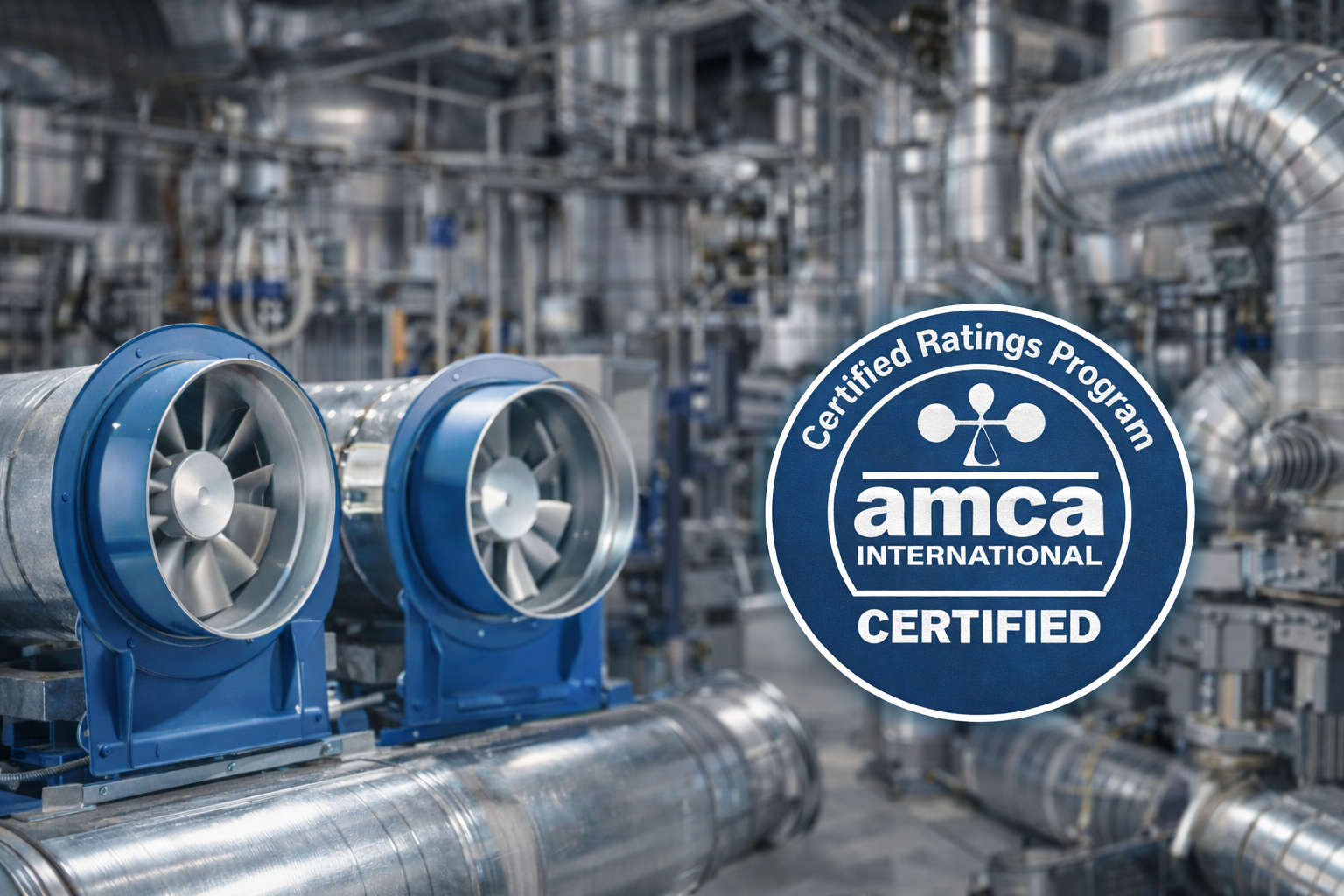
And this is where AMCA Certification of Ventilation Systems cannot be ignored. It eliminates doubt, substantiates performance, and safeguards people and projects. You do not rely upon promises; you rely upon proven information. In this blog, let’s uncover what makes AMCA certification relevant today, how it makes a difference to safety, regulatory requirements, and trust, and what makes AMCA certification smart and future-ready.
What AMCA Certification Really Means
It’s a verified performance, not a marketing promises
- AMCA certification confirms that ventilation products are tested in an independent, accredited laboratories
- It validates airflow, pressure, leakage, and efficiency exactly as claimed
- Engineers and consultants get data they can trust, not assumptions
- Projects face fewer redesigns, disputes, and compliance delays
This certification speaks one language globally and that is proven performance.
Why Safety-Critical Spaces Demand AMCA Standards
When human lives depend on airflow, ventilation systems operate silently, but their failure can be catastrophic.
- Tunnels and metros rely on ventilation during fire and smoke events
- Industrial plants depend on controlled airflow to manage toxic gases
- AMCA-certified systems ensure predictable performance under stress
- Emergency ventilation works exactly when it is needed most
In safety-critical zones, certified airflow saves lives.
Performance Consistency In Real Conditions
What works in a lab needs to work on the actual site. A product that has not been certified will not work if changes occur.
- The testing of the AMCA simulates actual working pressures and temperatures.
- The performance is consistent in various setups
- Accurately can designers sizing systems without overspending
- Operators benefit from stable airflow from one year to another
This level of consistency prevents downtime from occurring.
Compliance Without Complications
Meeting global and local regulations with ease. The pressure from regulations is growing worldwide.
- The certification of AMCA is in line with international ventilation standards
- It supports fire safety and building code compliance
- Authorities and auditors accept the data of AMCA without questioning it
- Approvals of projects are quicker and easier
Certification removes regulatory friction.
Lower Lifecycle Cost & Higher ROI
Spending smart, not more. System costs will go down in the future with certified systems
- Accurate airflow cuts energy consumption
- Leakage-controlled dampers minimize system losses
- Maintenance becomes predictable and minimal
- The replacement cycles have been extended significantly
AMCA certification involves long-term savings and not shortcuts.
Trust to Strengthen Every Stakeholder
From consultant to user, trust drives decisions.
- Consultants confident in recommending certified products
- Avoid performance disputes among contractors.
- Facility managers can rest easy knowing
- Brands Using AMCA Standards Usually Gain Industry Credibility
In other words, this trust becomes a source of competitive advantage.
Why AMCA Certification Matters More Than Ever Today
The present and future of ventilation. Modern infrastructure is complex and unforgiving.
- Urban tunnels are much longer and deeper
- Industrial settings are also more controlled
- Sustainability demands effective flow of air
- Safety expectations are higher than ever
In that kind of environment, AMCA-certified ventilation systems are no longer an option; they are a necessity.
FAQs
1. What products require AMCA certification?
A. Ventilation fans, dampers, tunnel ventilation equipment, and airflow control devices benefit most from AMCA certification because performance accuracy is critical.
2. Is AMCA certification mandatory?
A. Though not always mandatory from a legal standpoint, many specifications, consultants, and officials have a strong preference or require AMCA certification.
3. Does AMCA Certification add to project costs?
A. Initially they are a little expensive, but they are cheaper in terms of energy bills and failures or reworks are minimized.
4. What benefits does AMCA certification offer during audits?
A. The audit process accepts AMCA’s test results immediately, thus avoiding delays in the document trail, which subsequently minimizes the risk of
Conclusion
This blog explained why AMCA certification in ventilation systems matters now more than ever, covering safety, performance, compliance, and long-term value. Choosing certified products protects projects, people, and reputations.
At Betec Cad, our expertise extends to supplying AMCA-approved ventilation dampers suitable for applications that include the tunnel industry, metro rails, and industrial sectors.
Visit us at https://beteccad.com/ to find out more about our certified solutions, connect with us, and keep up with us on Instagram!