



Shocking Truth: 5 Reasons Life Safety Dampers Are Your Building’s Last Defense

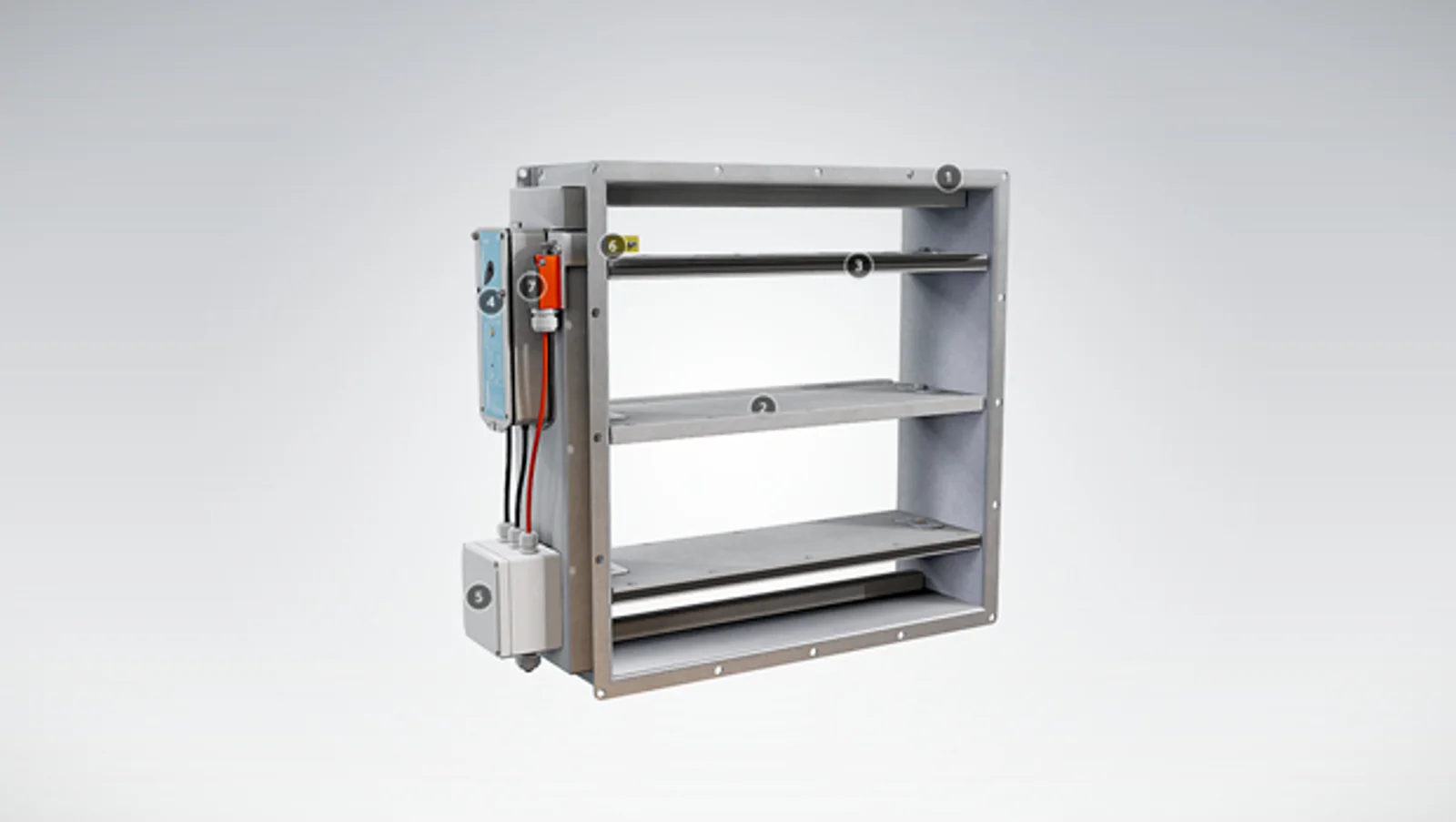
When we think about fire safety in buildings, sprinklers, fire alarms, and extinguishers usually come to mind. Yet one of the most crucial safety devices often goes unnoticed, life safety dampers. These devices quietly protect lives by controlling the spread of fire, smoke, and even hazardous blasts. Understanding their role can make the difference between a small fire incident and a major disaster.
In this blog, we will break down what life safety dampers are, how they work, why they are essential, and why you cannot afford to ignore them.
What Are Life Safety Dampers and How Do They Work
Life safety dampers are devices installed in HVAC ductwork, walls, ceilings, floors, or partitions to prevent the spread of fire, smoke, or hazardous air events between areas of a building. Their primary function is to block dangerous heat, smoke, and blast energy while allowing ventilation under normal conditions.
Betec cad offers a wide range of life safety dampers designed for different applications:
- Fire Dampers: Stop flames from traveling through duct openings during a fire.
- Smoke Dampers: Prevent smoke from spreading through ventilation systems.
- Blast Dampers: Designed to protect buildings from high-pressure blasts or explosions by closing automatically when overpressure is detected.
- Motorized Dampers: Equipped with actuators for remote operation and monitoring through building management systems.
These dampers stay open under normal conditions but close automatically when they detect heat, smoke, or excessive pressure. This action creates a barrier that saves lives by keeping escape routes clear and preventing fire or blast damage from moving to other areas.
Why Life Safety Dampers Are Crucial for Fire, Smoke, and Blast Protection
Containing Fire Through Ductwork
Fire spreads rapidly through a building, not just through corridors but also through ductwork. Life safety dampers in HVAC systems stop flames and hot gases from moving between rooms and floors. Without them, a small fire could quickly escalate into a multi-floor disaster. Properly installed dampers contain the fire and provide time for evacuation and firefighter intervention.
Blocking Smoke (The Invisible Killer)
Smoke inhalation causes the majority of fire-related deaths. Smoke travels quickly through ventilation ducts and stairwells. Smoke dampers for building safety prevent smoke from reaching safe areas, ensuring occupants can evacuate and reducing exposure to toxic gases. Even with sprinklers, dampers provide a passive layer of protection that works without human intervention.
Protecting Against Blast Hazards
In areas prone to industrial accidents or external attacks, blast dampers help protect buildings from sudden overpressure. These dampers automatically close during an explosion, preventing shockwaves and hazardous gases from entering critical areas. They are particularly important for sensitive facilities like laboratories, hospitals, or government buildings.
Ensuring Compliance With Building Safety Codes
Building regulations mandate life safety dampers installation wherever ducts penetrate fire, smoke, or blast-rated barriers. Fire dampers must match or exceed the fire-resistance rating of the wall or floor they penetrate, and smoke dampers must have low leakage ratings to prevent smoke escape. Compliance not only avoids legal consequences but also ensures a building is prepared for emergencies.
Providing a Passive Always-On Defense
Unlike active systems like sprinklers that only activate after a fire is detected, dampers act immediately. Their automatic operation creates a passive fire protection system that functions even if electricity fails or other systems malfunction. This makes them a reliable last defense for any building.
Common Misconceptions About Life Safety Dampers
- Some believe sprinklers alone are enough. While sprinklers suppress flames, life safety dampers stop smoke, heat, and blasts from spreading, providing comprehensive protection.
- Others think dampers do not need maintenance. Over 20 percent of dampers fail inspection due to rust, misalignment, or debris. Regular inspection ensures they work when needed.
- Smoke dampers, fire dampers, and blast dampers are not interchangeable. Using the correct type for your building is essential to prevent fire, smoke, or blast hazards from spreading.
How to Choose the Right Life Safety Dampers
Selecting the right damper depends on the building type and safety requirements:
- High-rise apartments, hotels, or hospitals benefit from combination fire and smoke dampers because multiple floors and shared ventilation increase risk.
- Commercial buildings with running HVAC systems during fire events require dynamic fire dampers that can close against airflow.
- Facilities exposed to potential blasts should install blast dampers to reduce risk.
- Ceiling and floor penetrations need ceiling radiation dampers to control heat transfer.
Check certifications and fire-resistance or blast ratings carefully. Modern motorized dampers with remote indicators improve reliability and can integrate with building management systems for easy monitoring and testing.
Real-Life Effectiveness of Life Safety Dampers
Life safety dampers have repeatedly prevented catastrophic damage. Fires that could have spread rapidly were contained to specific areas because dampers blocked the passage of smoke, flames, and hazardous gases. Buildings without dampers or with malfunctioning dampers experience faster fire spread, more smoke exposure, and higher risk to occupants. These examples highlight why dampers are an essential investment for building fire and life safety.
FAQs
1. How often should life safety dampers be inspected?
A. Dampers should be inspected after installation and then periodically, usually every four years. Inspections include cycling dampers, checking actuators, clearing debris, and ensuring blades close fully.
2. Can life safety dampers work with sprinkler systems?
A. Yes. Sprinklers suppress fire, while dampers stop smoke, heat, and hazardous gases from spreading. Together, they provide layered and comprehensive protection.
3. Are smoke dampers enough to protect a building from fire?
A. No. Smoke dampers prevent smoke movement but do not block flames or heat. Fire dampers or combination dampers are required to control fire spread.
4. Are older buildings without dampers at higher risk?
A. Yes. Buildings without properly installed dampers are more vulnerable. Retrofitting dampers is essential to protect occupants and prevent fire, smoke, or blast hazards from spreading.
Conclusion
Life safety dampers are your building’s last defense against fire, smoke, and hazardous blasts. They provide a passive, reliable barrier that protects lives, property, and ensures compliance with safety regulations. Neglecting them puts people at risk and compromises safety.
At Betec cad, we offer a full range of life safety dampers, including fire dampers, smoke dampers, combination fire and smoke dampers, blast dampers, and motorized dampers for commercial and residential buildings. Protect your building, protect your people, and make safety non-negotiable. Follow us on Instagram, Visit our website for more information.
Take action today and ensure your building’s last defense is ready when it counts.