



Do Blast Dampers Really Save Lives? Full Breakdown Here

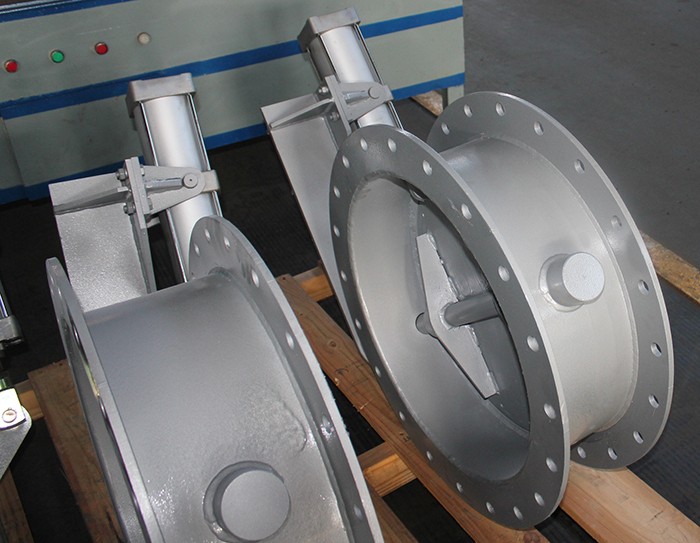
When we talk about industrial safety, worker security, and disaster preparedness, one device often sits at the center of discussion, the blast damper. But a common question remains: Do blast dampers really save lives? The short answer is yes, they do and the long answer is what we’ll uncover in this complete breakdown.
This blog explores how blast dampers work, their role in high-risk environments, and why they’re considered essential safety equipment. We’ll also touch on real-world examples, future technology trends, expert insights, and regulatory standards.
Introduction to Blast Dampers and Their Purpose
A blast damper is a specially engineered safety device installed in ventilation and airflow systems to protect structures and humans from explosion pressure waves. Their purpose is to reduce explosion impact, contain fire propagation, block debris movement, and maintain structural integrity during sudden blasts.
In industries where gas leaks, chemical reactions, or unexpected combustion events are possible, blast dampers serve as a first line of passive defense. Instead of allowing shockwaves to travel freely through ducts and internal areas, they absorb, deflect, or block force, ultimately saving lives.
Historical Context: How Blast Dampers Evolved Over Time
Blast dampers first appeared in military bases and heavy manufacturing plants during World War II. As global industrialization increased, so did the risks, leading to smarter blast-resistant technology. Today, advancements in metallurgy, airflow engineering, and structural sciences have transformed dampers into highly reliable safety components used worldwide.
How Blast Dampers Work: A Technical Overview
Despite sounding complex, the working principle is elegant and straightforward:
- A pressure wave or shockwave enters the system.
- Sensors or mechanical triggers detect abnormal pressure.
- The damper blades instantly close, block or regulate blast energy.
- Debris and fire are prevented from traveling further.
- After stabilisation, dampers can reopen for normal ventilation.
Modern systems use high-strength stainless steel, anti-corrosion coatings, and aerodynamically designed blades. Some models are even equipped with smart automation for real-time response.
The Importance of Blast Dampers Across Industries
Blast dampers are essential in multiple sectors, such as:
| Industry | Why Blast Dampers Matter |
| Oil and Gas | Protection from pipeline explosions + hydrocarbon blasts |
| Chemical Plants | Reduces toxic spread, fire pressure build-up |
| Power Stations | Prevents turbine and boiler back-blast |
| Pharmaceutical Manufacturing | Safety during solvent-based production |
| Defence and Military | Blast resistance for bunkers and control rooms |
In environments where human life meets explosive risk, dampers are not optional, they are life-protecting necessities.
Comparison: Blast Dampers vs Other Safety Devices
| Device | Function | Limitation |
| Fire Dampers | Stops spread of flame | Not designed for blast pressure |
| Explosion Vents | Releases pressure outward | Does not protect interior zones |
| Blast Dampers | Blocks shockwaves + fire + debris | Needs routine maintenance |
Blast dampers offer multi-layered protection, making them the most efficient option for blast-prone environments.
Common Misconceptions About Blast Dampers
| Misconception | Truth |
| “Blast dampers are only needed in extreme sites.” | Even mild pressure surges can be fatal. |
| “Dampers are expensive and unnecessary.” | One damper can save an entire facility from destruction. |
| “Any ventilation barrier works like a blast damper.” | Only engineered dampers handle explosive loads. |
Regulatory Safety Standards and Compliance
- ISO (International Organization for Standardization): Develops globally accepted international standards for quality, safety, and risk management systems, such as ISO 45001 for occupational health and safety.
- NFPA (National Fire Protection Association): A global non-profit organization providing universally adopted codes and standards for fire, electrical, and building safety.
- OSHA (Occupational Safety and Health Administration): The U.S. government agency whose mandatory workplace safety regulations are highly influential in global industry practices and supply chains.
- ASME (American Society of Mechanical Engineers): Publishes globally recognized codes and standards for mechanical engineering, crucial for boilers, pressure vessels, and piping systems.
Environmental Sustainability and Maintenance
Modern dampers use eco-friendly alloys, recyclable steel, and low-emission coatings, aligning with global sustainability goals. Routine inspections every 12–18 months ensure smooth functioning and extend lifespan.
Future Trends in Blast Damper Technology
The next era of blast dampers will be driven by:
- AI-based predictive response
- Smart material dampening systems
- IoT-enabled blast pressure monitoring
- Lightweight, high-strength alloys
- Zero-maintenance structural mechanisms
Safety is evolving and so is technology.
FAQs
1. Do blast dampers really save lives?
A. Yes. They reduce blast pressure impact, block fire spread, stop debris movement, and lower injury risk significantly.
2. How long does a blast damper last?
A. Typically 15–25 years, depending on installation conditions and maintenance schedule.
3. Can blast dampers fail?
A. Failure is rare but possible without maintenance. Dust, rust, or unmonitored pressure loads can reduce performance.
4. Are blast dampers required by law?
A. In high-risk industries, yes. Several countries mandate them under industrial safety compliance.
Conclusion
So, do blast dampers really save lives? Absolutely. With proven studies, expert support, and real-world results, blast dampers stand as a silent guardian in industries where every second matters.
If your facility values life, continuity, and safety, now is the time to act.
Explore high-performance blast dampers at Betec cad, engineered for protection, built for survival. Visit the Betec cad website today, follow us on Instagram and make safety your priority.