
Control Damper Blade Operation and Their Applications

Airflow control sounds simple until it isn’t. Behind every efficient HVAC system, there’s a set of components quietly doing precision work and control damper blades sit right at the centre of it. They regulate, balance and direct airflow in ways most people never notice but systems can’t function without them.
If airflow feels uneven, energy bills spike or ventilation systems underperform, the problem often traces back to damper performance. This guide breaks down what control damper blades are, how they work and where they’re actually used, without turning it into a technical manual.
What Are Control Damper Blade
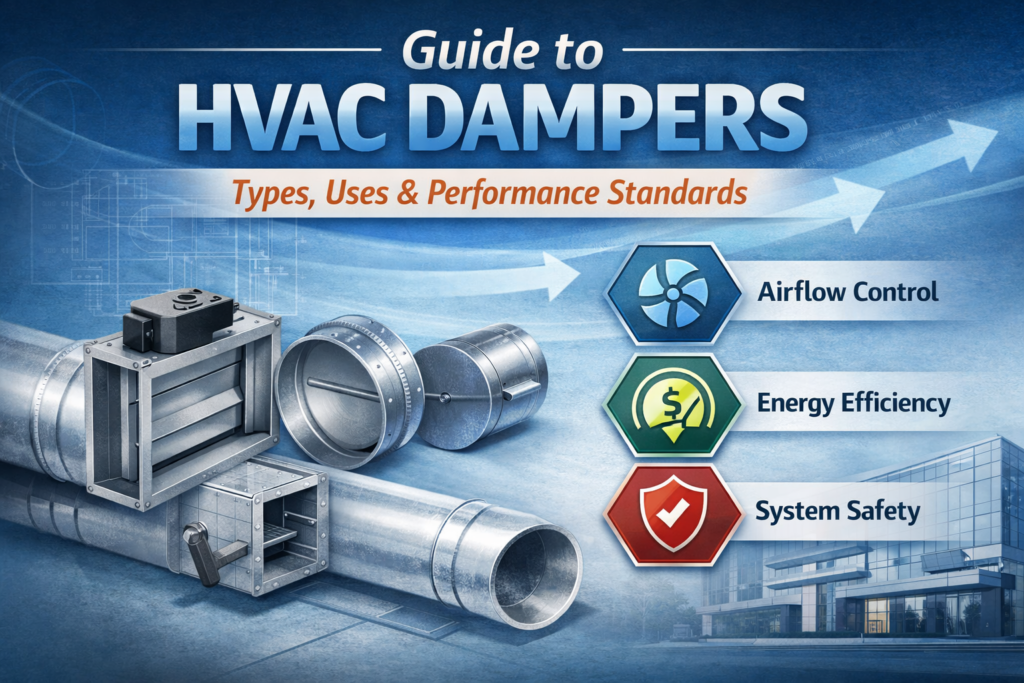
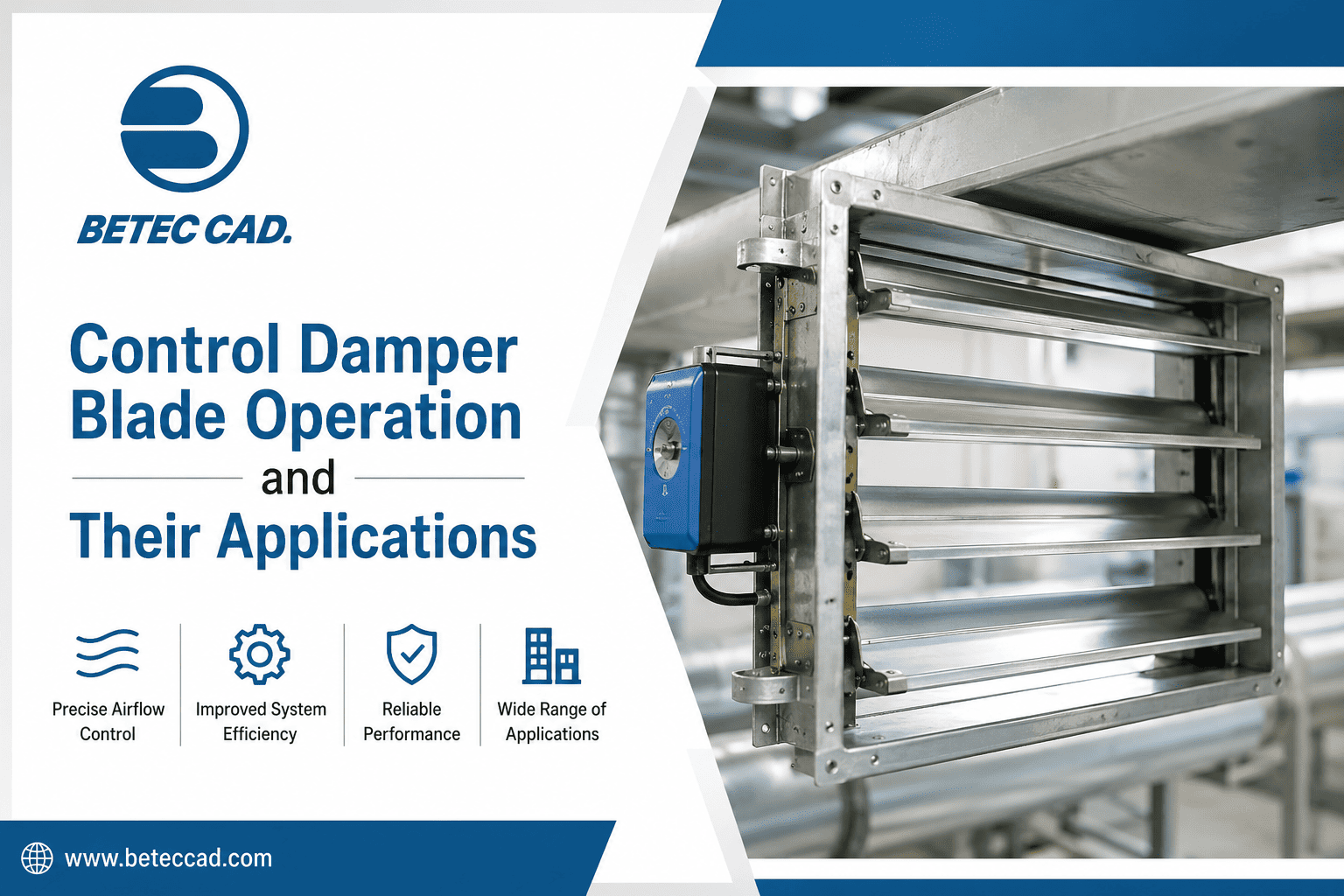
Control damper blades are adjustable metal plates installed within ducts to regulate airflow. They open, close or modulate air passage depending on system requirements, helping maintain proper ventilation and temperature control.
In modern HVAC setups, choosing the best control damper blades becomes critical because even small inefficiencies can lead to uneven cooling, higher energy consumption and system strain. Many professionals prefer sourcing from the best place to buy control damper blades to ensure durability and performance consistency.
How Do Control Damper Blades Work
Manual operation
Some damper blades are manually adjusted using levers or handles. These are typically found in smaller systems where airflow changes are minimal.
Motorised operation
In advanced systems, dampers are connected to actuators that automatically adjust blade positions based on temperature, pressure, or airflow sensors. This is where investing in the best control damper ensures accuracy and long-term reliability.
Airflow regulation
By adjusting the angle of the blades, dampers either restrict or allow airflow. This helps maintain balanced distribution across different zones in a building.
System integration
Control dampers often work alongside thermostats and building management systems, especially in commercial control dampers, where precision and automation are non-negotiable.
Types of Control Damper Blades
1. Parallel damper blades – All blades move in the same direction. These are ideal for systems requiring quick airflow changes and are commonly used in industrial setups.
2. Opposed blade dampers – Blades move in opposite directions, offering better airflow control and uniform distribution. These are widely preferred when consistent airflow is needed across spaces.
3. Single blade dampers – Simple and cost-effective, these are used in smaller ducts or less complex systems.
When evaluating options, many buyers look for the best control damper blades that match their system’s airflow and pressure requirements rather than choosing based on price alone.
Applications of Control Damper Blades
● HVAC systems in residential and commercial buildings
● Industrial ventilation systems
● Clean rooms and laboratories
● Hospitals and healthcare facilities
● Data centers and server rooms
Across these applications, especially in commercial control dampers, performance consistency plays a major role in maintaining air quality and system efficiency. That’s why sourcing from the Best place to buy control damper blades is often prioritized over quick or low-cost purchases.
Benefits of Using Control Damper Blades
● Improves airflow distribution
● Enhances energy efficiency
● Reduces strain on HVAC systems
● Enables zoning and temperature control
● Supports automation in modern buildings
FAQs
1. What is the difference between parallel and opposed blade dampers?
A. Parallel blade dampers allow faster airflow changes, while opposed blade dampers provide more precise and balanced airflow control.
2. Are control damper blades energy efficient?
A. Yes, when used correctly, they help reduce energy consumption by optimizing airflow and reducing unnecessary load on HVAC systems.
3. Can poor-quality damper blades affect indoor air quality?
A. Yes. Low-quality dampers may not regulate airflow properly, leading to poor ventilation and inconsistent air circulation.
4. Is it worth investing in premium dampers?
A. If system performance matters, then yes. Choosing the best control damper blades from a reliable source avoids long-term inefficiencies and repair costs.
Conclusion
Control damper blades are more than just airflow regulators. They directly impact system efficiency, comfort levels and operational costs. From simple manual setups to complex automated systems, their role remains critical across industries.
If you’re looking to upgrade or install high-performance dampers, Betec Cad offers reliable solutions designed for real-world applications.
Follow us on Instagram.