



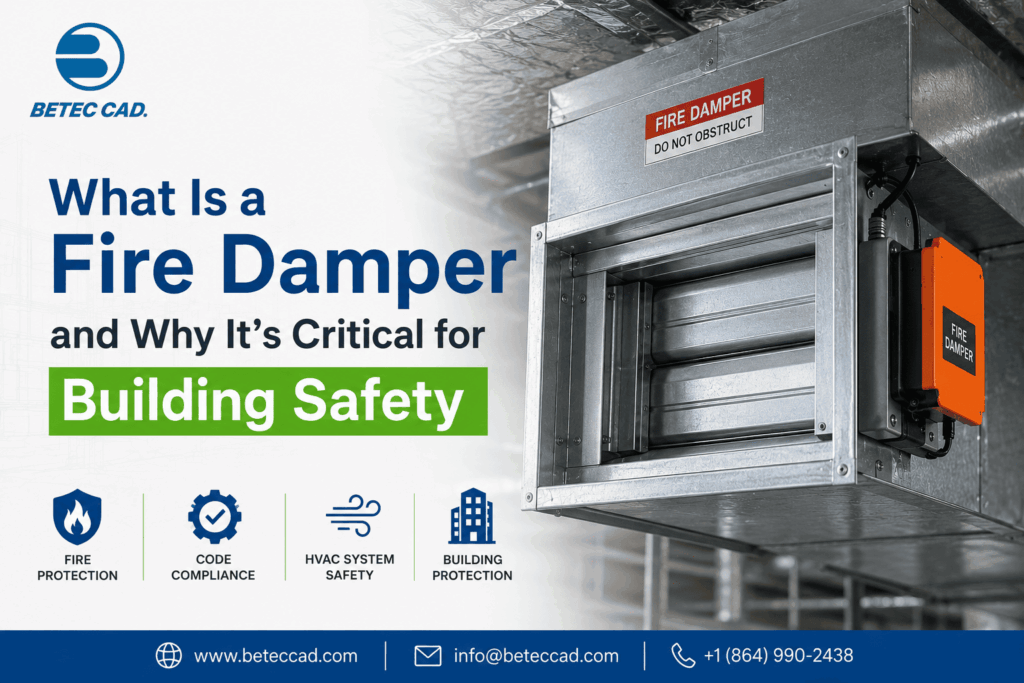
What Is a Fire Damper and Why It’s Critical for Building Safety

When there’s a fire in a building, you never know where and how it is going to spread. Fire moves fire through various ducts and can tu...
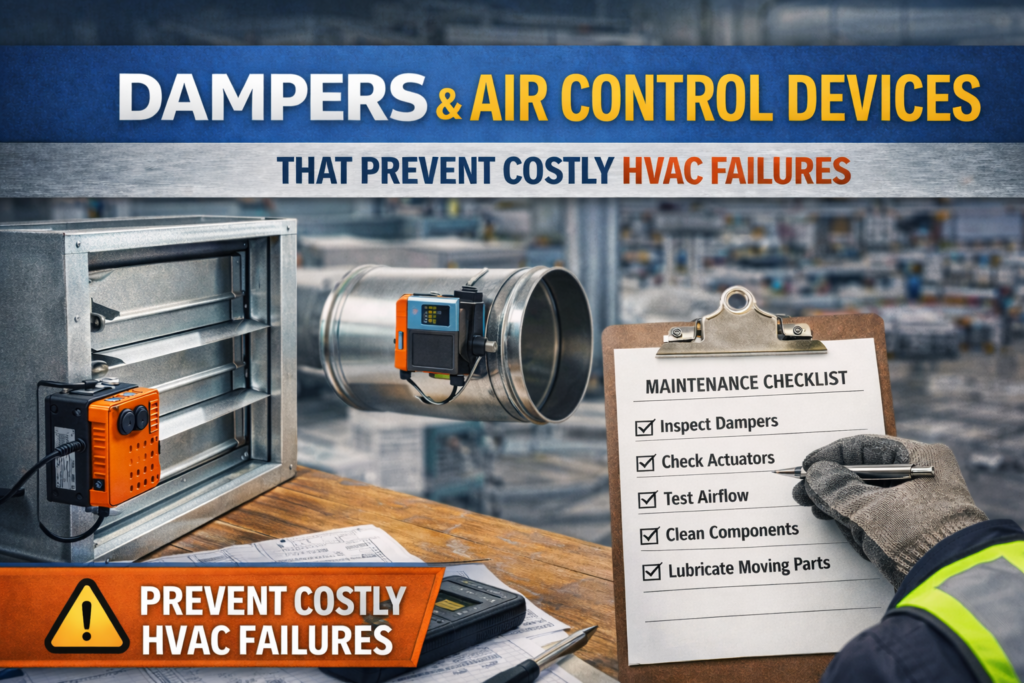
Routine Maintenance Checklist for Dampers & Air Control Devices That Prevent Costly HVAC Failures
Many HVAC systems fail silently, dampers stick, air control devices clog, airflow becomes uneven. Yet everything looks “fine” from outs...
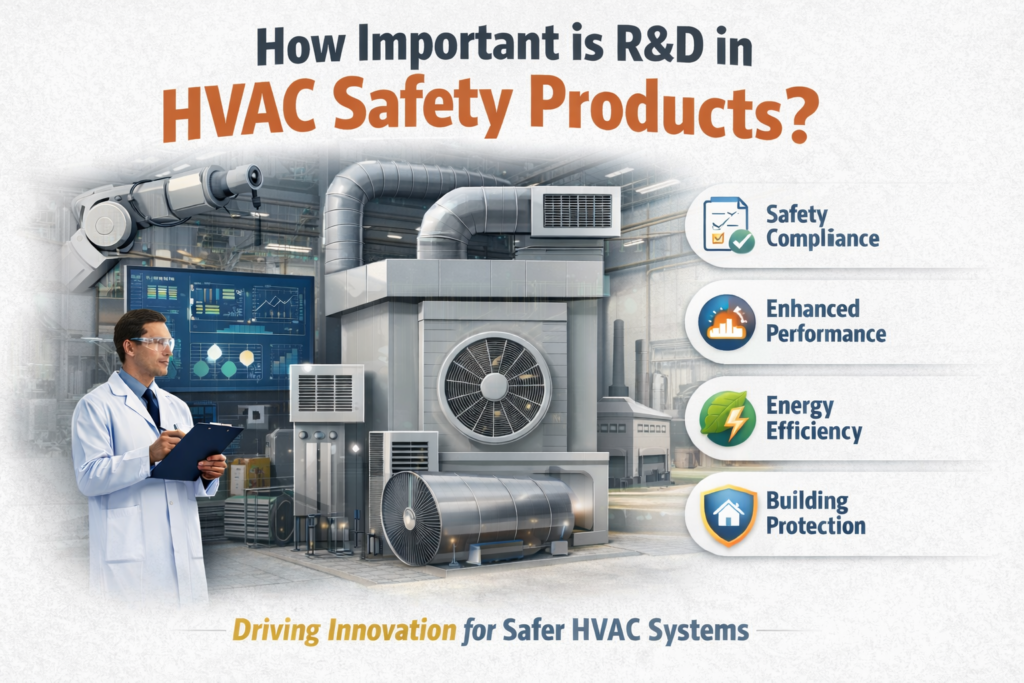
How Important is R&D in HVAC Safety Products
Buildings in today’s world demand more than cooling and ventilation. They demand safety, durability, and compliance. If you manage comm...

What is The Future of Life Safety HVAC
Present- day buildings depend on HVAC systems not just for comfort but for life safety. Yet, many facilities still use outdated dampers...
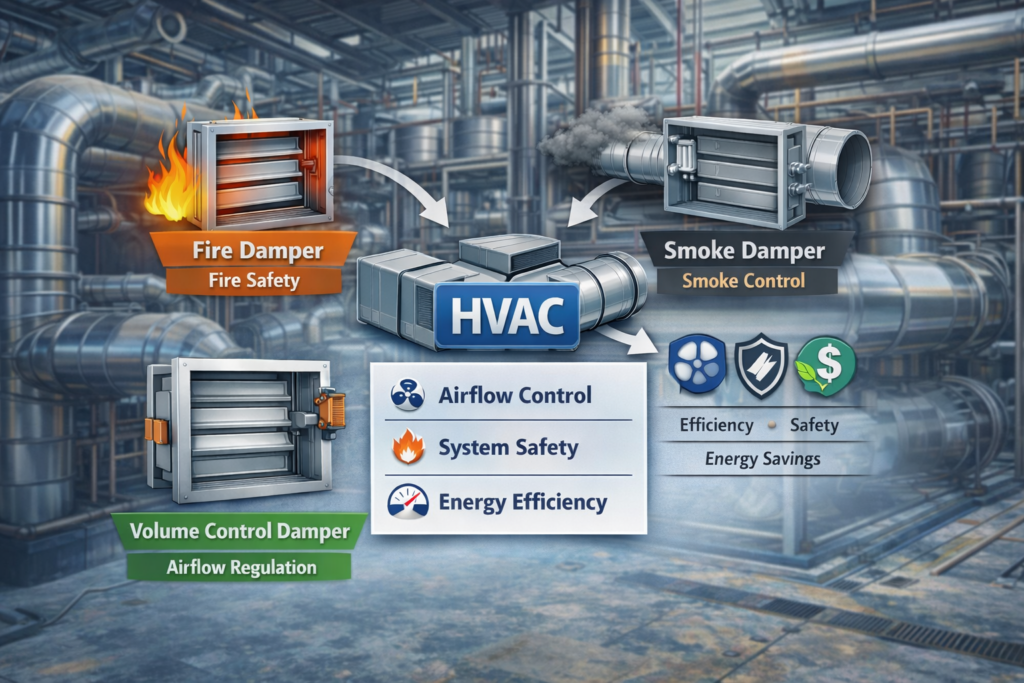
Guide to HVAC Dampers: Types, Uses & Performance Standards
If you work on HVAC projects, you already know that airflow control is critical. A system may look perfect on paper, but without the ri...

The Future of Indoor Air Quality in a Post-Pandemic World
Indoor air quality was once invisible. People noticed it only when something went wrong. The pandemic changed that forever. Today, clea...
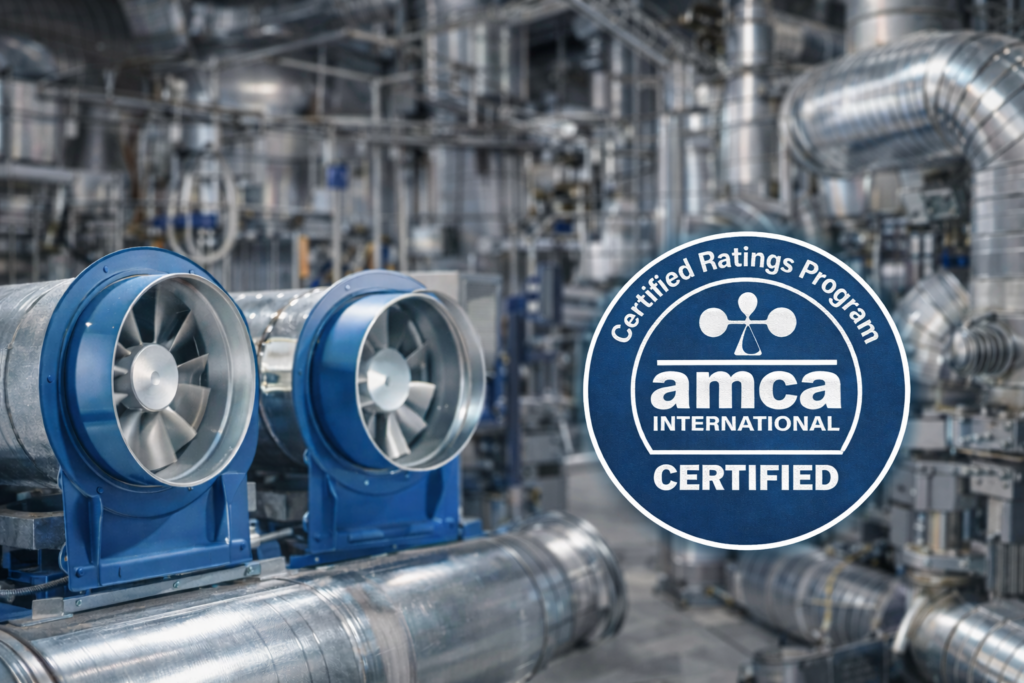
Top Reasons Ventilation Needs AMCA Certification Now
If you work with ventilation systems, you already know this truth: performance on paper means nothing if it fails on site. Airflow drop...
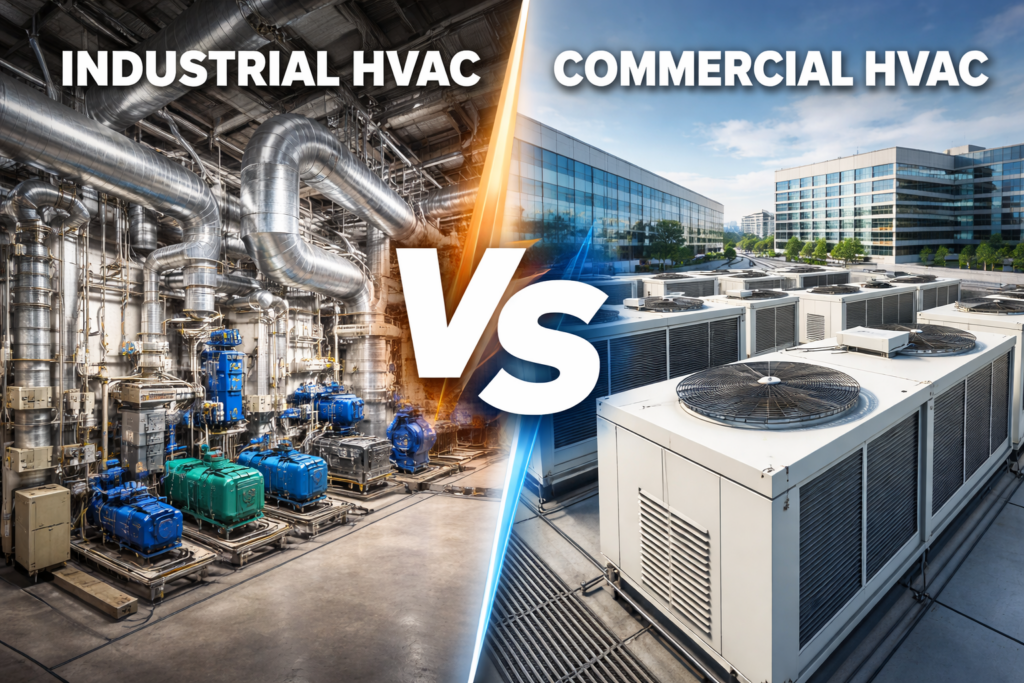
Industrial vs. Commercial HVAC Requirements: Key Differences Explained
Choosing between industrial HVAC systems and commercial HVAC systems is a very crucial decision affecting safety, efficiency, complianc...
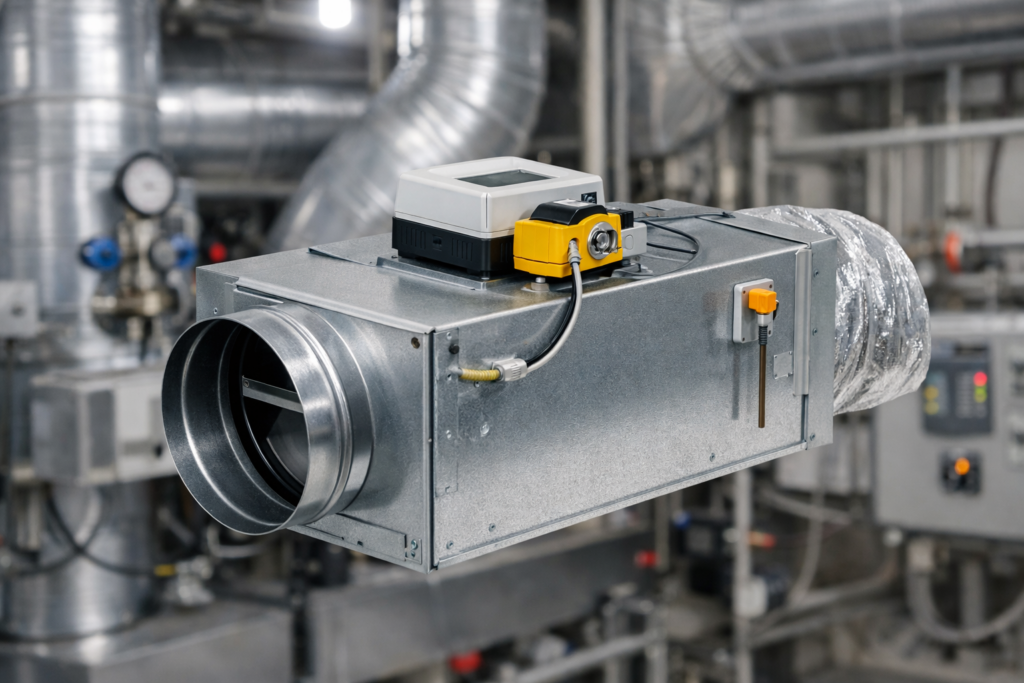
Guide to Variable Air Volume (VAV) Terminals for Modern HVAC Systems
Modern buildings deal with high energy costs and uneven room comfort. Variable Air Volume (VAV) terminals fix this by adjusting air flo...
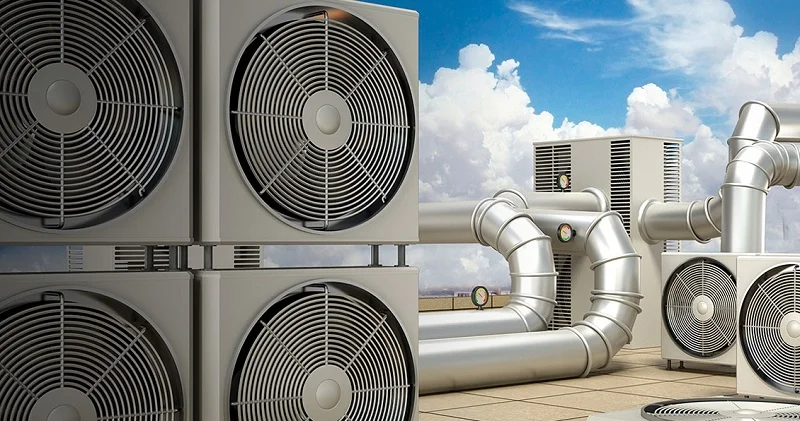
Top Industries Using HVAC Systems: Where Efficiency Meets Safety
When we look at modern infrastructure, one system quietly protects people every day, its HVAC (Heating, Ventilation and Air Conditionin...