
Applications and Benefits of Pressure Relief Dampers in HVAC Systems

An HVAC system does a lot of things for a building. It has to heat it or cool it down. But that is not all it also has to make sure the air is moving around properly and that the air pressure is safe. If the pressure is not right it gets hard to open doors and the cool air gets out. The HVAC equipment has to work too hard.
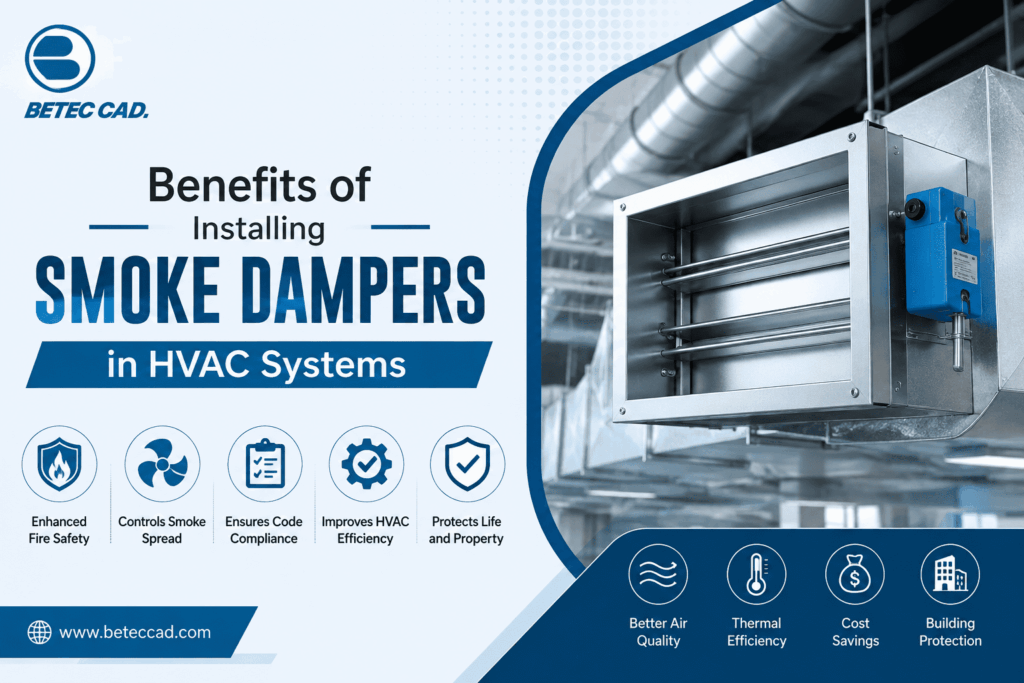
Pressure relief dampers are very important in this. They help keep everything working. Even though people often do not notice them, these dampers are necessary for the HVAC system to work well. They help it work safely and efficiently. Let’s talk about where these dampers are used and why they are important for modern HVAC systems.
What Are Pressure Relief Dampers?
Pressure relief dampers are things that we put in the air ducts or walls of buildings. They help to get rid of air when the air pressure inside gets too high.
When the pressure gets too high they open up by themselves. Then when everything is back to normal they close again.
Pressure relief dampers are different, from kinds of dampers that need electricity to work. A lot of pressure relief dampers use gravity or springs to open and close and often these dampers come along with counterweights for field adjustment of opening pressure at site. This makes them very simple and easy to take care of. They do not use a lot of energy. They are reliable. Pressure relief dampers are a choice because they are easy to maintain and they work well.
Where Are Pressure Relief Dampers Used?
Commercial Office Buildings
Modern office buildings use air handling units to bring in fresh air every day. Pressure relief dampers help keep the air pressure inside the building balanced by letting out air. This keeps the people inside comfortable.
Hospitals and Healthcare Facilities
Hospitals need to control air pressure, in operating rooms, isolation rooms and labs. Pressure relief dampers help keep the air pressure differences. This helps prevent the spread of infections and keeps the air clean.
Manufacturing Plants
Factories make heat, fumes and change air volumes during production. Pressure relief systems help keep airflow steady. They also protect heating and cooling equipment from getting much pressure.
Key Benefits of Pressure Relief Dampers
- Pressure relief dampers help keep air pressure balanced in buildings.
- They reduce stress on HVAC fans and air handling equipment.
- They make energy use more efficient by releasing air in a controlled way.
- They help prevent doors from being hard to open because of pressure differences.
- They make comfort better by keeping airflow steady.
- They help keep buildings by stopping too much internal air pressure.
- They work on their own. Do not need much maintenance.
Why Pressure Control Matters in HVAC Systems
Protects HVAC Equipment
When air pressure becomes too high, fans and other HVAC components have to work harder. By using pressure relief dampers, excess pressure is released before it affects equipment performance, helping extend the lifespan of the entire system.
Improves Energy Efficiency
An unbalanced HVAC system often consumes more energy because fans continue operating against unnecessary resistance. Proper pressure control allows air to move efficiently, reducing overall energy consumption.
Supports Indoor Comfort
Buildings with poor pressure balance may experience uneven airflow, unwanted drafts, or difficulty maintaining room temperatures. Pressure relief dampers help create a more comfortable indoor environment by keeping air pressure stable across different zones.
Choosing the Right Pressure Relief Dampers
Selecting the correct damper depends on several factors, including airflow requirements, opening pressure, duct size, and building application. A properly engineered solution ensures consistent performance under different operating conditions.
Many businesses searching for reliable HVAC manufacturing companies in uae choose manufacturers that provide customised HVAC products designed for specific project requirements.
FAQs
1. What is the purpose of a pressure relief damper?
A. Its main purpose is to automatically release excess air whenever building pressure becomes too high, helping maintain balanced airflow.
2. Are pressure relief dampers necessary for commercial buildings?
A. Yes. They are widely used in commercial, industrial, healthcare, and institutional buildings where maintaining balanced air pressure is important.
3. Do pressure relief dampers affect indoor air quality?
A. Indirectly, yes. Maintaining proper building pressure helps support balanced ventilation and improves the overall performance of the HVAC system.
4. How long do pressure relief dampers last?
A. With proper installation and routine inspections, high-quality dampers can provide reliable performance for many years.
Conclusion
Although they are rarely visible, pressure relief dampers are an essential part of a HVAC system. They help maintain balanced air pressure, improve energy efficiency, protect equipment and create a more comfortable indoor environment.
If you’re looking for dependable HVAC solutions from trusted HVAC manufacturing companies in the UAE, Betec Cad offers high-quality pressure relief dampers engineered for long-lasting performance and efficient operation.
Follow us on Instagram.