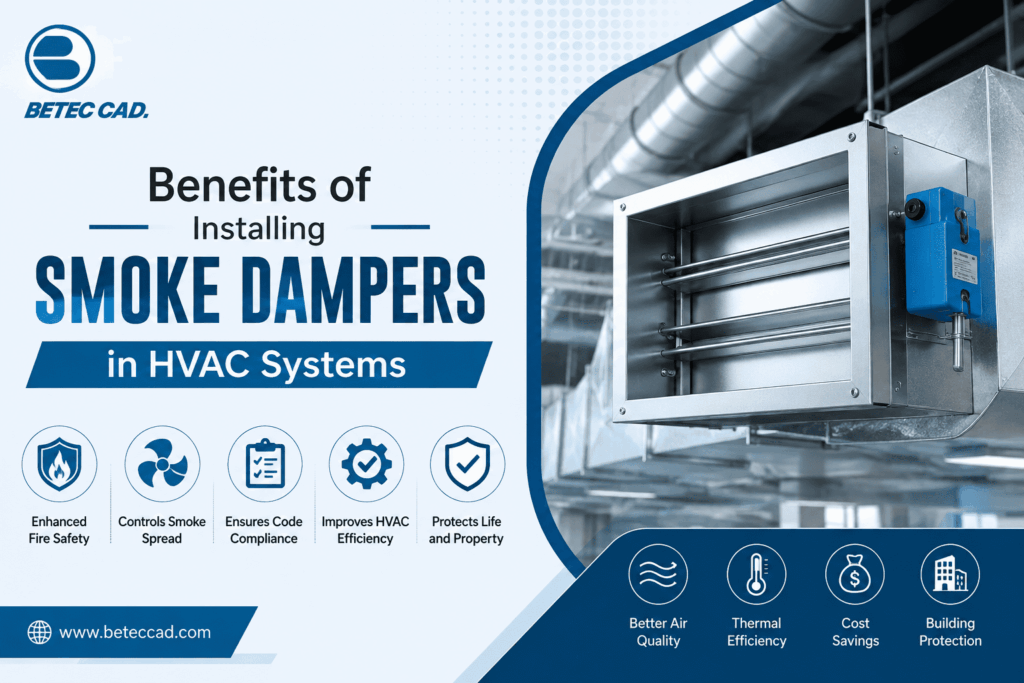

Benefits of Installing Smoke Dampers in HVAC Systems

Most people think of HVAC systems as equipment for cooling, comfort, and fresh air. In reality, these systems can also become hidden pathways for smoke during a fire, allowing it to spread quickly from one space to another. That is why smoke control is not just a fire safety feature—it is a life-saving necessity.
Fire statistics show that smoke inhalation causes more fire-related deaths than the flames themselves, with an estimated 50% to 80% of fire fatalities linked to smoke inhalation rather than burns. This is why smoke dampers are so important: they help contain smoke, protect escape routes, and support safer evacuation while preserving the performance of the HVAC system during an emergency.
Smoke dampers are a critical part of a building’s passive fire protection strategy. When properly selected and installed, they reduce risk, improve occupant safety, and help buildings meet fire safety requirements without compromising ventilation performance.
What are Smoke Dampers?
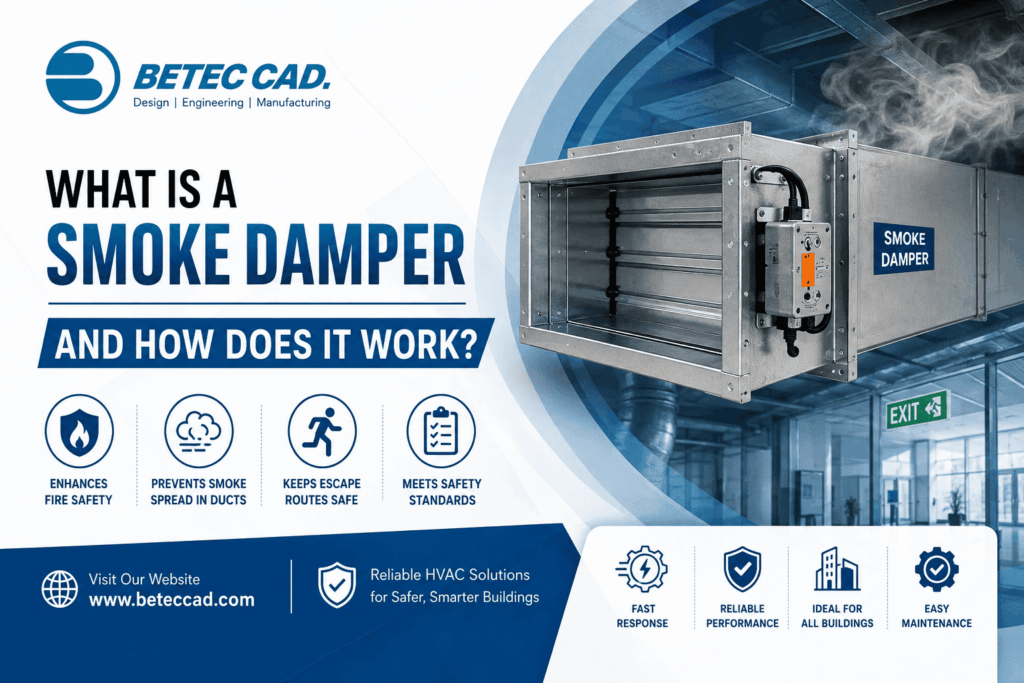
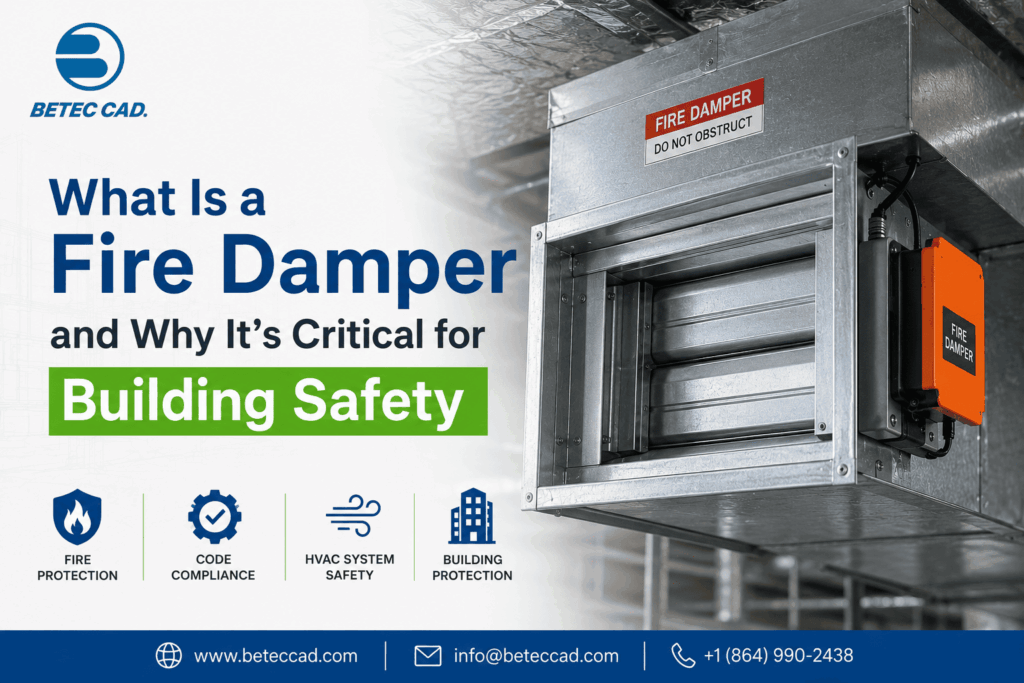
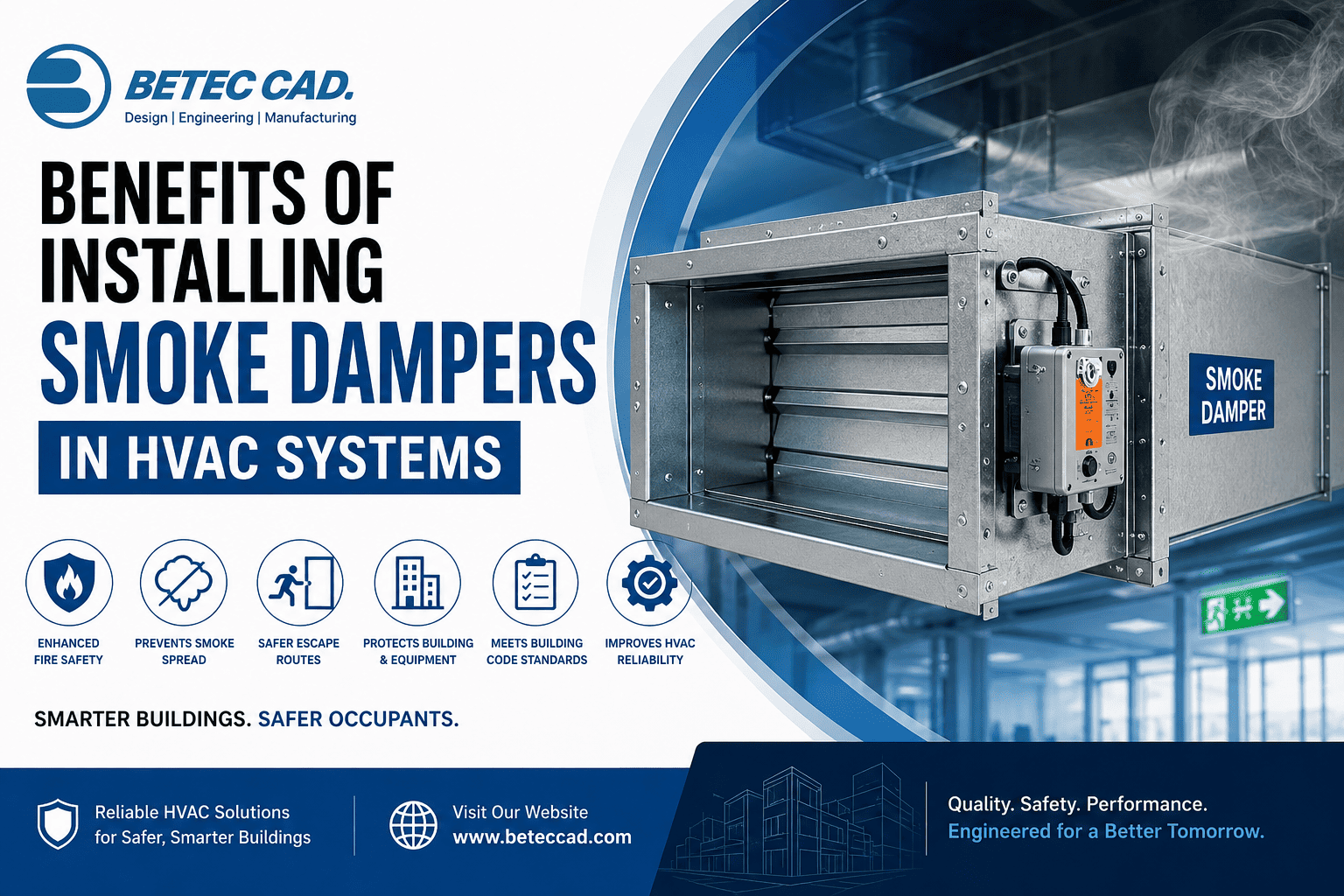
Smoke dampers are integral components installed within HVAC ductwork to restrict the passage of smoke through the ventilation system during a fire or smoke event. Their primary function is to prevent smoke migration between compartments, thereby helping to protect occupants, preserve egress routes, and reduce property damage.
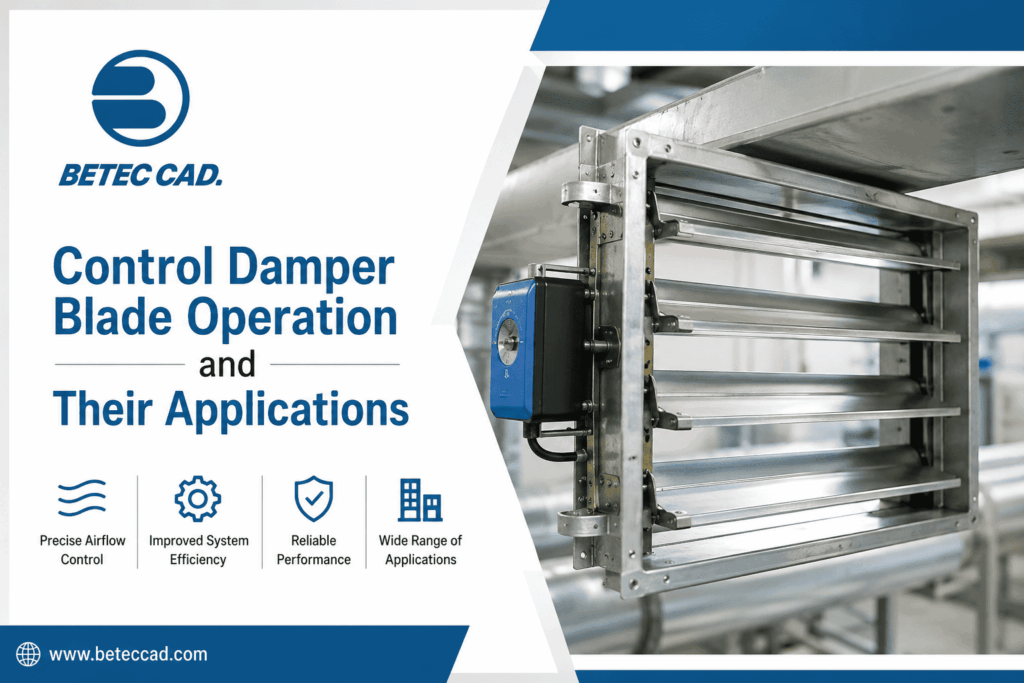
Unlike standard volume control dampers, which are used to regulate airflow under normal operating conditions, smoke dampers are designed to operate automatically in response to a fire alarm signal or smoke detection input. These dampers are typically interfaced with smoke detectors or the building management system, and they close rapidly when smoke is detected, isolating the affected duct section and limiting the spread of smoke throughout the building.
As HVAC manufacturing companies in the UAE continue to focus on advanced safety solutions, these dampers have become an essential part of buildings.
Why Smoke and Fire Control is Important
Smoke is often more dangerous than flames because it spreads rapidly through a building and can quickly fill hallways, staircases, and escape routes. Once smoke accumulates, it reduces visibility, makes breathing difficult, and creates life-threatening conditions for occupants.
By installing smoke dampers as part of a properly designed smoke control system, the movement of smoke can be slowed or contained, helping maintain safer evacuation paths. This provides occupants with valuable time to escape and supports overall fire safety performance within the building.
Benefits of Installing Smoke Dampers
Better protection for building occupants
One of the main benefits of installing smoke dampers is that they help contain smoke within a limited area. This makes evacuation safer and reduces the risk of smoke inhalation.
Limits damage to property
Smoke can damage walls, ceilings, furniture, and other equipment. When smoke dampers are installed, they help prevent smoke from spreading and minimize property damage.
Supports fire safety compliance
Many local and international building regulations require smoke control systems in certain occupancies. As HVAC manufacturing in the UAE continues to align with global safety standards, installing certified dampers helps builders and facility managers support compliance with applicable regulations.
Automatic emergency response
Another advantage of smoke dampers is their automatic operation. They do not require manual activation; instead, they respond to smoke detection or a fire alarm signal and close automatically.
Protects HVAC equipment
Smoke contains harmful particles that can damage HVAC components. By limiting smoke spread, these dampers also help reduce contamination within the ventilation ducts.
Improves safety in large buildings
Shopping malls, hospitals, schools, airports, hotels, and office towers often have extensive duct networks. In such buildings, motorized smoke and fire dampers help divide ventilation zones and prevent smoke from moving freely between different areas.
How Modern Smoke Dampers Add More Value
- Many modern smoke dampers are integrated with Building Management Systems (BMS).
- They can be monitored remotely for operational status.
- Automatic testing helps identify maintenance issues early.
- Some models provide position feedback for easier inspections.
- Manufacturers involved in HVAC manufacturing in the UAE are developing smarter dampers with improved durability and faster response times.
Choosing the Right Smoke Damper
Before selecting a product, consider these factors:
- The type of building and occupancy.
- Local & Global Fire and Life Safety regulations.
- Compatibility with existing HVAC systems.
- Certification and testing standards like UL Standards, NFPA& Local Civil Defence approval.
- Reliability of the manufacturer and after-sales support.
Working with experienced companies specialising in HVAC manufacturing in the UAE ensures that the selected dampers meet both safety and performance requirements as per standards.
FAQs
1. Are smoke dampers mandatory in commercial buildings?
A: Smoke dampers may be required under building codes for certain building types, occupancies, and HVAC designs. Their necessity depends on the project’s fire safety strategy, building usage, and the applicable local regulations in the UAE and other jurisdictions.
2. How often should smoke dampers be inspected?
A: Smoke dampers should be inspected and function-tested at regular intervals in accordance with local regulations and the manufacturer’s recommendations. Routine inspection is important to confirm proper operation and continued compliance.
3. Can smoke dampers accidentally close during normal operation?
A: Under normal conditions, smoke dampers remain open. They are designed to close only when they receive a signal from a smoke detector or the fire alarm system.
4. Do smoke dampers affect airflow during daily use?
A: No. During normal HVAC operation, smoke dampers stay fully open to allow unrestricted airflow. They only close when smoke control action is required.
Conclusion
Smoke dampers are an excellent safety investment in a building. Smoke dampers help control smoke, protect HVAC systems, limit damage, assist evacuation and meet safety standards.
At Betec Cad, we provide high-quality smoke dampers to meet modern building requirements.